The 9 Best 3-Woods for 2026
The 3-wood is the most demanding club in the bag to hit well — it has to launch a low-profile head off a tight fairway lie, hold its line off the tee as a fairway-finder, and still carry 230-260 yards when you flush it. For 2026, the best 3-woods pair shallow, turf-hugging soles and AI-tuned faces with adjustable hosels that let you dial in launch and spin. We ranked these nine on what actually matters in the 15-degree slot — playability off the deck, forgiveness, ball speed, launch and spin control, and versatility off the tee — using consensus scores synthesized from dozens of expert, lab, and forum sources.
The short answer: the best 3-wood for 2026 is the TaylorMade Qi4D — it won the biggest independent 2026 fairway-wood test outright. For maximum forgiveness off the deck, go with the PING G440 Max; for the longest carry, the Callaway Quantum Max. Full ranking below.
Quick picks
At a glance
| # | Model | Score | Price | Best for |
|---|---|---|---|---|
| 1 | TaylorMade Qi4D | 9.4 | $380 | Best Overall |
| 2 | PING G440 Max | 9.2 | $370 | Most Forgiving |
| 3 | Callaway Quantum Max | 9.1 | $400 | Most Distance |
| 4 | Cobra OPTM X | 9.0 | $369 | Most Adjustable |
| 5 | Callaway Elyte | 8.9 | $350 | Best Off the Deck |
| 6 | Titleist GT2 | 8.9 | $329 | Best for Moderate Swing Speeds |
| 7 | Srixon ZXi | 8.7 | $330 | Best Value |
| 8 | TaylorMade Qi4D Tour | 8.7 | $450 | Best Low-Spin |
| 9 | Titleist GT3 | 8.6 | $329 | Best for Better Players |
How we picked these
We started from each model's consensus score, then re-weighted for the 3-wood use case specifically — favoring shallow faces and clean turf interaction that make a 15-degree head playable off the deck, not just off a tee. We deliberately spread the picks across the buyer profiles that matter most: maximum forgiveness, raw ball speed, low-spin control for better players, easy launch for moderate swing speeds, adjustability, and value. Each was scored with our weighted scoring system: 35% expert reviews, 25% data-driven testing, 30% forum/community opinion, and 10% retail.
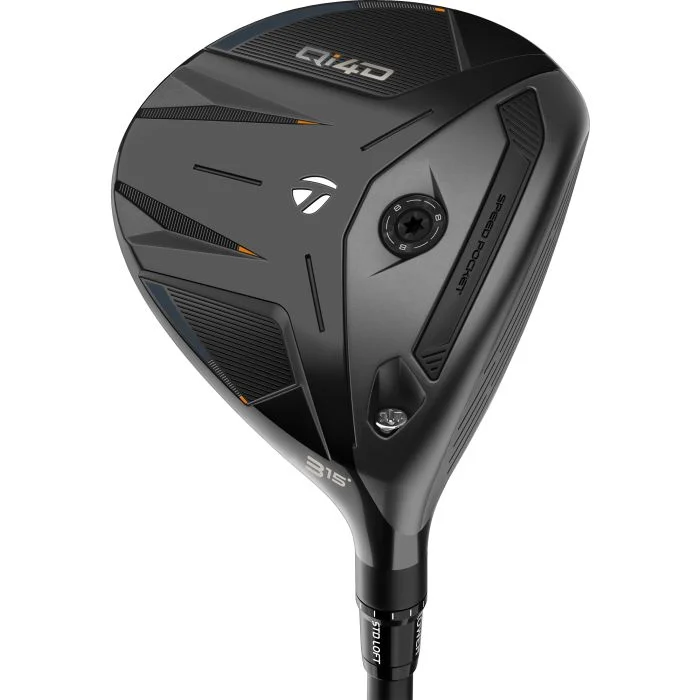
The Qi4D won Today's Golfer's comprehensive 2026 fairway wood test outright, posting the field's best all-around numbers — 152.6 mph ball speed, 252.2 yards carry, and a tight 8.4-yard dispersion at just 2,828 rpm. For the 3-wood slot that combination is ideal: low enough spin for distance off the tee, with a refined Speed Pocket and Twist Face that hold ball speed on the low-face strikes you get off the deck. Every loft now carries a 4-degree adjustable hosel, and the new closure-rate-matched shaft fitting (HR/MR/LR) tunes flight to your release. Rory McIlroy, Scottie Scheffler, and Tommy Fleetwood all put it in play before launch.
WHAT SOURCES LOVE
- +Best all-around test numbers in 2026
- +Low spin without sacrificing ball speed
- +4° adjustable hosel on every loft
WHAT TO KNOW
- –Premium ~$380 price
- –Low spin needs adequate clubhead speed
Bottom line: The strongest 3-wood consensus in golf — distance, forgiveness, and tunability with nothing missing.
Read full review →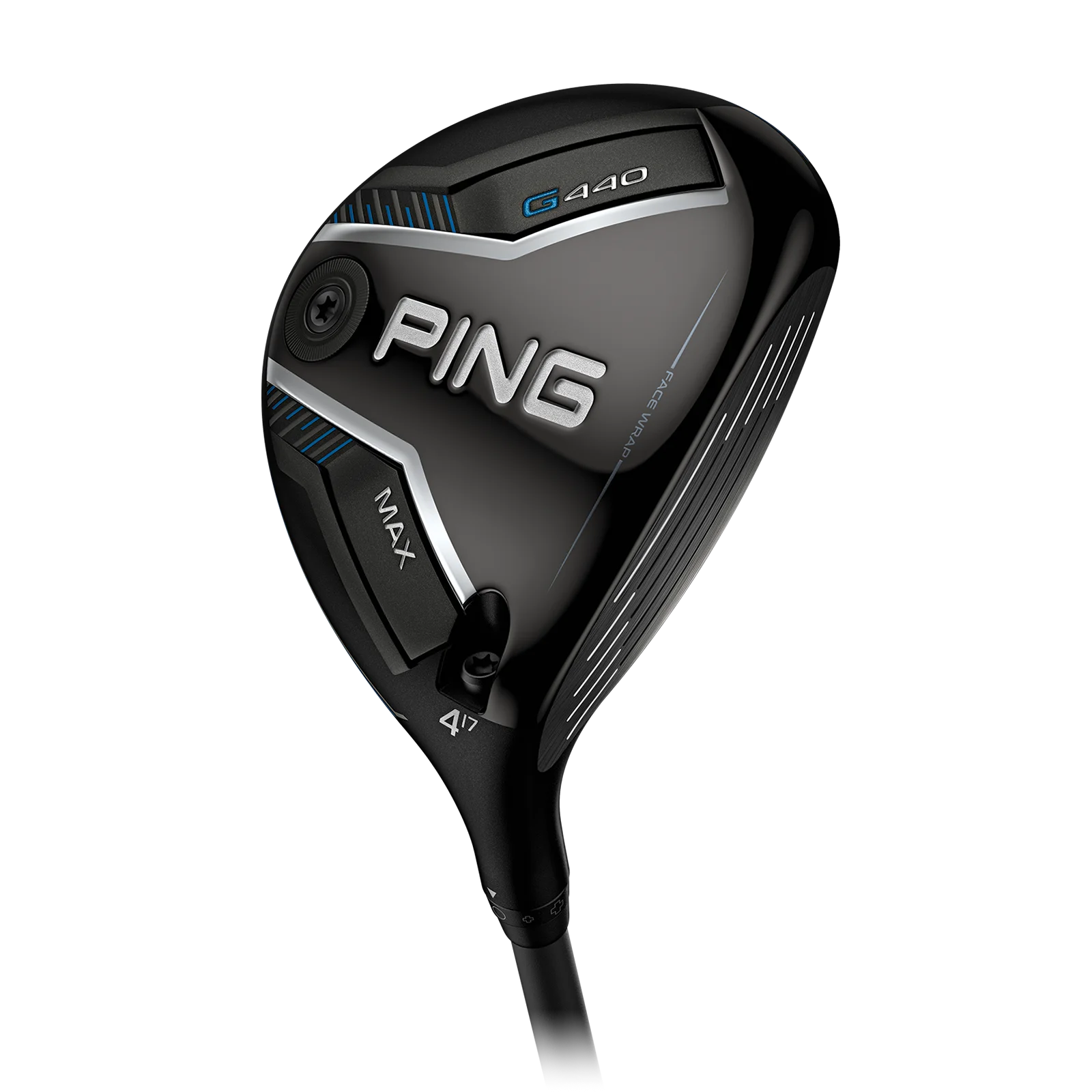
MyGolfSpy's #1 overall fairway wood and the best-selling fairway of the year, the G440 Max won on consistency — the tightest dispersion in a 24-model test and the smallest ball-speed loss on mishits. For a 3-wood that's exactly the insurance most players need: the low-back CG and Free Hosel design make it the easiest club in this guide to launch off a tight fairway lie, and the face is 7% taller than the G430 for confidence off the tee. It won't out-carry the distance leaders, but it finds the short grass more often. An 8-position hosel offers ±1.5 degrees of loft.
WHAT SOURCES LOVE
- +Tightest dispersion in MyGolfSpy testing
- +Effortless launch off the deck
- +Taller face inspires tee confidence
WHAT TO KNOW
- –Not the longest in the field
- –Only marginal upgrade over G430 Max
Bottom line: The safest, most forgiving 3-wood you can buy — and the one most amateurs will hit best off the deck.
Read full review →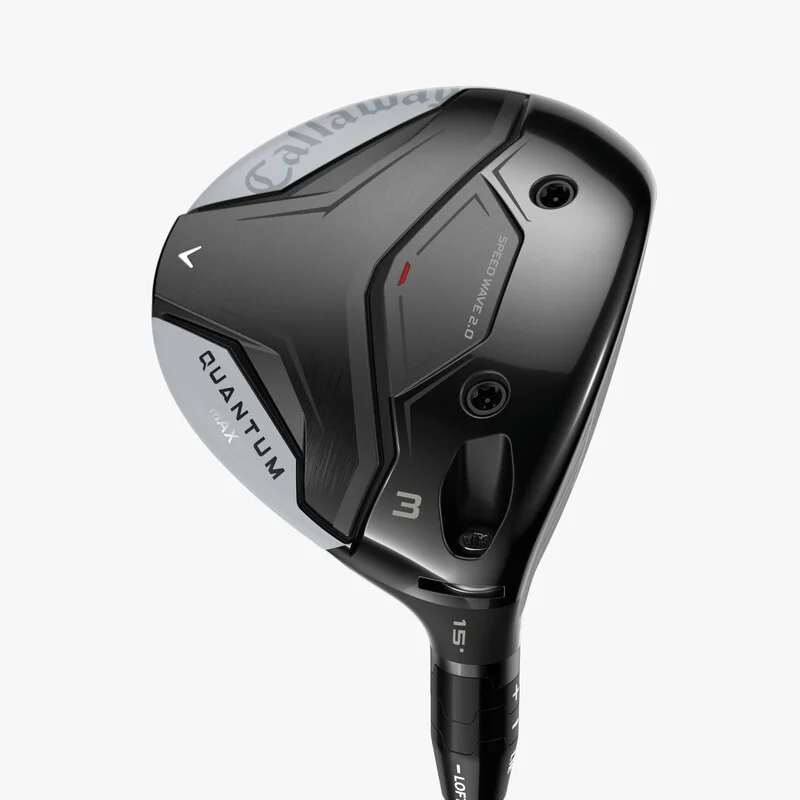
The longest fairway wood in 2026 independent testing — the only 3-wood to break 260 yards of carry in Today's Golfer's 27-model test (260.1 yards at 153.1 mph ball speed) and a Golf Digest Gold Medal winner. The 40g tungsten Speed Wave sits low and forward to rescue low-face strikes, the most common miss off the deck, and the refined Step Sole has reviewers saying they'd rather hit it off the fairway than off a tee. The trade-off is a wider 12.7-yard dispersion than the Qi4D and a busy crown. OptiFit4 adjustability is available on the 3W and 3HL.
WHAT SOURCES LOVE
- +Longest carry in 2026 testing
- +Speed Wave rescues low-face strikes
- +Easy launch off tight lies
WHAT TO KNOW
- –Wider dispersion than the Qi4D
- –Busy crown, $400 price
Bottom line: If you want the 3-wood that flat-out goes the farthest while still forgiving low-face misses, this is it.
Read full review →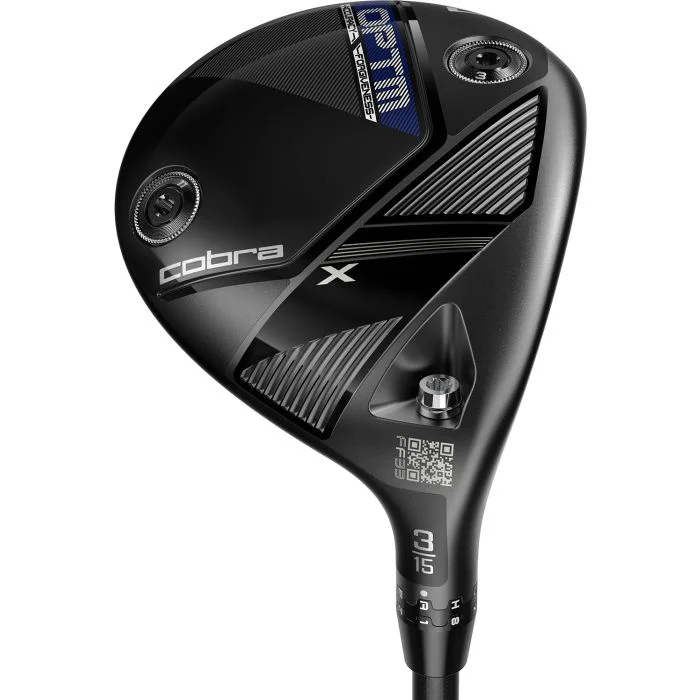
Golf Monthly's best fairway wood of 2026 and the most adjustable in the category: a 33-position FutureFit hosel (with SMARTPAD keeping the face square at every setting) plus dual movable 'accuracy' and 'forgiveness' weights. That tunability is a real asset in a 3-wood, letting you bias toward lower spin off the tee or higher launch off the deck. Cobra's POI-optimized shaping delivers near-LS ball speeds (~155 mph) in a shallow, confidence-inspiring head that sits flush to the turf, and at $369 it undercuts the TaylorMade and Callaway flagships. The one knock: the higher launch makes low stingers into wind tougher.
WHAT SOURCES LOVE
- +33-position hosel plus dual weights
- +Tour-level ball speed in a forgiving head
- +Undercuts rivals at $369
WHAT TO KNOW
- –Higher launch struggles in wind
- –Heavier head feel for some
Bottom line: The do-everything 3-wood for tinkerers — dial in launch and spin, then enjoy elite ball speed at a fair price.
Read full review →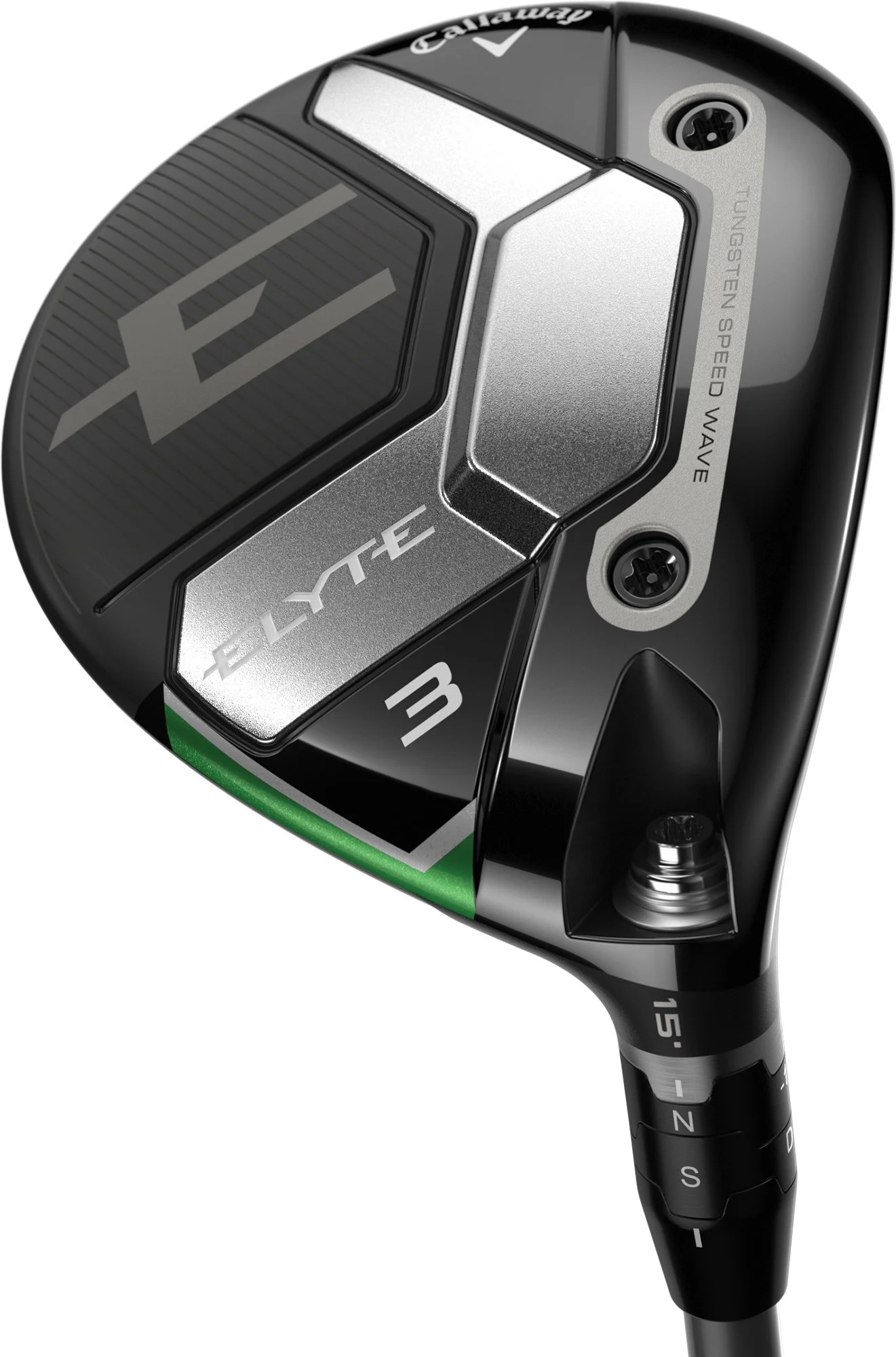
Callaway's Step Sole is the standout turf-interaction story of the class — it cuts sole-to-ground contact by 57%, and reviewers describe the head gliding through tight lies and rough without grabbing, making fat shots 'almost disappear.' That's precisely what you want from a 3-wood off the deck, paired with Plugged In Golf's measured ±1 mph ball-speed consistency across the face from the Ai10X face. It launches high and lands soft for long approaches, and at $350 (often $300) it's a steel-faced bargain. Adjustability is limited to the 3W/3HL via OptiFit, and the sound runs a touch loud.
WHAT SOURCES LOVE
- +Step Sole: 57% less turf contact
- +±1 mph ball speed across the face
- +Towering, soft-landing launch
WHAT TO KNOW
- –Louder, more hollow sound
- –Hosel adjustable on 3W/3HL only
Bottom line: The 3-wood for anyone who fights heavy contact off the fairway — the cleanest turf interaction in the guide.
Read full review →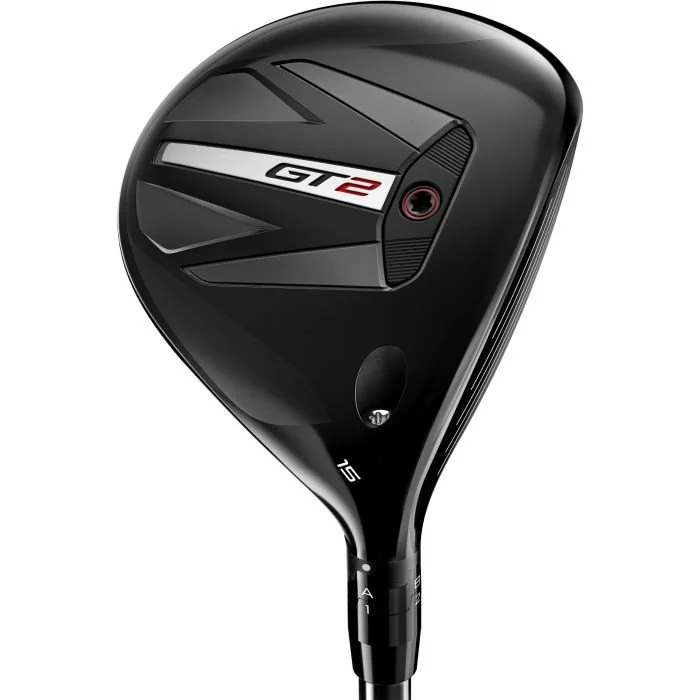
A Golf Digest Gold Medal winner built around effortless launch: the CG sits lower and closer to the face than the TSR2, and the forged L-Cup face wraps under the head to hold ball speed on the low strikes moderate swingers tend to produce. Today's Golfer gave it a perfect 5/5, and Independent Golf Reviews measured just 4.9 yards of dispersion. It's versatile from any lie — the 13.5-degree even doubles as a mini-driver — and the sound and feel are widely called the best in the category. Now discounted to about $329, with five lofts and a 16-position SureFit hosel.
WHAT SOURCES LOVE
- +Easy, high launch from any lie
- +Best-in-class sound and feel
- +Five lofts, now ~$329
WHAT TO KNOW
- –Higher spin than the GT3
- –Less forgiving than the GT1
Bottom line: The easiest-launching premium 3-wood for moderate swing speeds, with tour feel at a discounted price.
Read full review →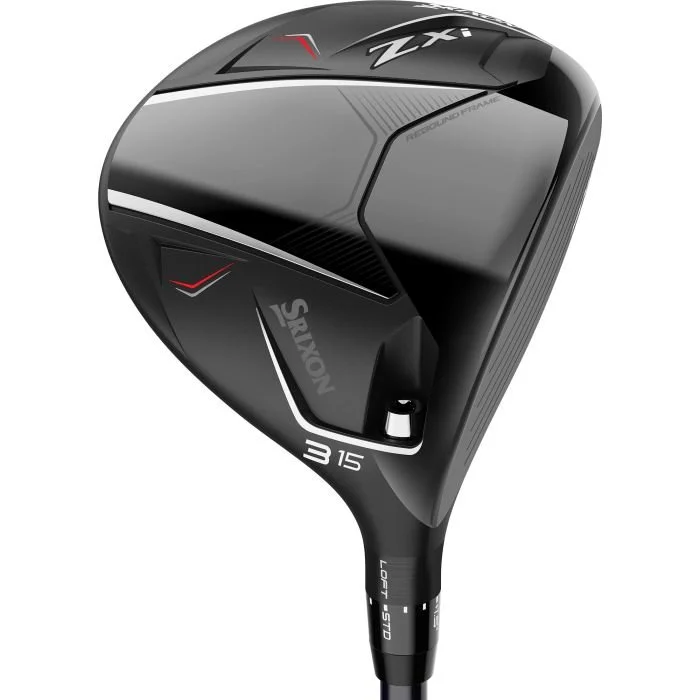
Golf Monthly's highest fairway wood score of the year (4.9/5) and an A+ for ball speed from Plugged In Golf — 'as fast as anything tested on center' — at just $330, $20-120 under the flagships. The redesigned i-FLEX face and Rebound Frame make it a genuine do-it-all 3-wood off the tee, fairway, and rough, and a new 1.5-degree adjustable hosel finally brings 12 settings to Srixon woods. Better players can opt for the 13.5-degree 3+W for a tee-friendly, low-spin build. The stepped crown on the 3-wood divides opinion at address.
WHAT SOURCES LOVE
- +A+ ball speed for $330
- +Genuine do-it-all versatility
- +New adjustable hosel
WHAT TO KNOW
- –Polarizing stepped crown
- –Under-the-radar brand
Bottom line: The best performance-per-dollar 3-wood of the class — flagship ball speed without the flagship price.
Read full review →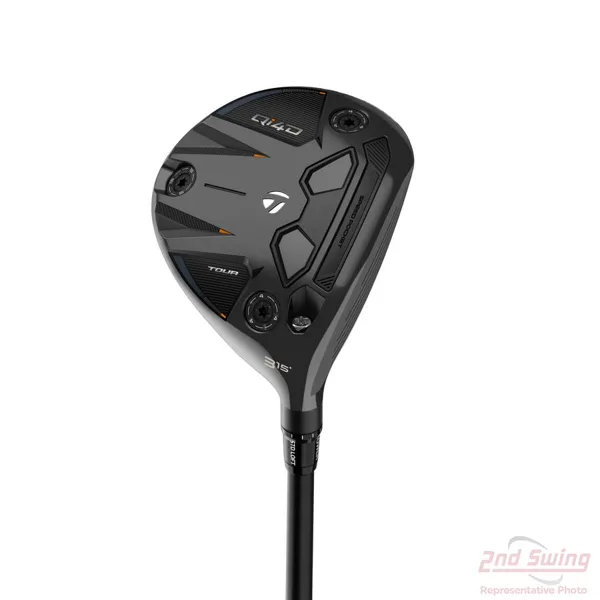
Today's Golfer's Best Low-Spin winner for 2026 — a compact 175cc players' head that, in its forward setting, spun the lowest in the entire test field (2,266 rpm) while carrying the second-longest overall (257.6 yards) with a tight 9.5-yard dispersion. For the 3-wood slot that's the better player's answer off the tee and into wind: a flat, penetrating flight paired with a three-port Trajectory Adjustment System (one 15g and two 4g weights across heel, toe, and rear) and a 4° loft sleeve that Golf Monthly called 'arguably the most customisation we have ever seen in a fairway wood.' The honest trade-off is speed and forgiveness — it gives up roughly 6 mph of ball speed and 7 yards of carry to the standard Qi4D and demands center-face contact, so sweepers and higher handicaps should stay with the core head.
WHAT SOURCES LOVE
- +Best Low-Spin winner — 2,266 rpm in testing
- +Most adjustable fairway TaylorMade has built
- +Penetrating, wind-beating players' flight
WHAT TO KNOW
- –~6 mph slower than the core Qi4D
- –Compact 175cc head demands center strikes
Bottom line: The better player's low-spin 3-wood — the flattest, most tunable, best-feeling head TaylorMade makes, if you've got the speed to flush it.
Read full review →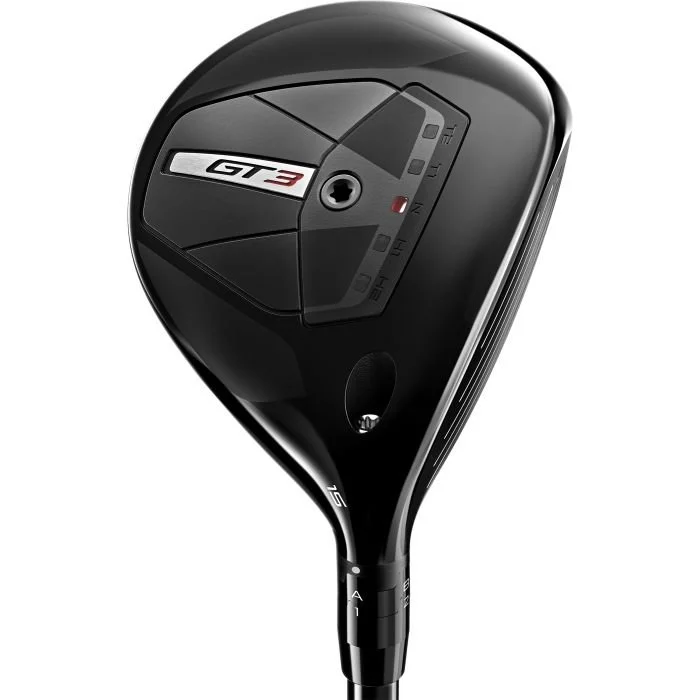
The shot-maker's 3-wood: a low-spin, deeper-faced head with the most tunable setup in the category — a 5-position SureFit CG Track plus 16-position hosel for roughly 30 combinations to dial in draw or fade bias. It produces a penetrating, controlled flight that's ideal off the tee and into wind, and testing showed about +3 mph ball speed and +3 yards over the TSR3. The catch is that it demands a descending strike and center-face contact — sweepers and higher handicaps are better off in the GT2. Three lofts only (15/16.5/18), now $329.
WHAT SOURCES LOVE
- +Low-spin, penetrating flight
- +~30 setup combos via CG Track
- +Workable both ways
WHAT TO KNOW
- –Demands a downward strike
- –Less forgiving, harder from rough
Bottom line: The low-spin 3-wood for better players who flight it down and shape it both ways off the tee.
Read full review →Honorable mentions
Strong 3-wood options that just missed the top 9:
Essentially last year's flagship — the Qi4D's predecessor, now discounted near $350 with very close performance for value hunters.
Cobra's dedicated low-spin titanium 3-wood — the pick for fast swingers chasing maximum tee distance, but pricier and less forgiving than the OPTM X.
The compact, lower-spin Triple Diamond head for better players who want to shape shots both ways rather than the auto-correcting Quantum Max.
Frequently asked questions
What loft is a 3-wood — and what's a 'strong 3' versus a '3HL'?
A standard 3-wood is 15 degrees. A 'strong 3' (or 3+) drops to about 13.5 degrees for lower spin and more distance off the tee — the Titleist GT2 and Srixon ZXi both offer a 13.5-degree option, and the GT2 13.5 plays like a mini-driver at 250-260 yards. A '3HL' (high launch) bumps loft to roughly 16.5 degrees, making the ball easier to get airborne off the deck — most models here, including the Qi4D and Quantum Max, offer a 16.5-degree 3HL. Choose lower loft for tee distance, higher loft for fairway playability.
3-wood vs 5-wood — which should I carry?
A 3-wood (15°) is longer and flatter, best for distance off the tee and reaching par 5s; a 5-wood (18°) launches higher with more spin and is far easier to hit off the deck, holding greens on long approaches. If you struggle to get a 3-wood airborne off the fairway, a 5-wood — or a 16.5° 3HL — is often the more useful club. Several of these models (the G440 Max, Elyte, and Quantum Max) come in both, and many golfers carry both and drop a long iron.
Can a higher-handicapper actually hit a 3-wood off the deck?
It's the hardest shot in the bag, but the right head makes it realistic — look for a shallow face, a low-and-back CG, and clean turf interaction. The PING G440 Max is the easiest in this guide to launch off a tight lie, and the Callaway Elyte's Step Sole (57% less turf contact) is built specifically to stop fat shots. If you still find a 15° tough off the fairway, step up to a 16.5° 3HL or a 5-wood — and avoid low-spin better-player heads like the Titleist GT3, which demand a descending strike.
How do I choose 3-wood loft for my swing speed?
Slower and moderate swing speeds generally want more loft — a 16.5° 3HL, or a 15° in a higher-launch, low-CG head like the Titleist GT2 or PING G440 Max — to carry the ball and hold greens. Faster swingers can play a stronger 13.5°-15° low-spin head, such as the Titleist GT3 or Cobra OPTM LS, to keep the ball from ballooning and maximize tee distance. As a rule: if your shots come out low or you don't compress the ball, add loft; if you flush it and the ball climbs too much, go stronger and lower-spin. Every pick here has an adjustable hosel to fine-tune from there.
Editorial independence:Reading the Break is not affiliated with any golf equipment manufacturer. Our scores are never influenced by affiliate relationships. Some links on this page are affiliate links — if you buy through them, we may earn a small commission at no extra cost to you. Full disclosure.