The 10 Most Forgiving Drivers of 2026
Ranked by MOI, mishit performance, and draw bias from 780+ expert and community reviews. Built for high handicappers, beginners, and anyone who wants the ball to stay in the fairway.
Quick picks
At a glance
| # | Driver | Score | Price | Best for |
|---|---|---|---|---|
| 1 | Ping G440 K | 9.0 | $649.99 | Most Forgiving Overall |
| 2 | TaylorMade Qi4D Max | 8.2 | $599.99 | Best 2026 Forgiving |
| 3 | TaylorMade Qi10 Max | 8.2 | $400 | Best Value Forgiving |
| 4 | Ping G440 Max | 8.1 | $599 | Best Ping Alternative |
| 5 | Callaway Quantum Max D | 8.5 | $649.99 | Best for Slicers |
| 6 | Tour Edge E726 | 8.2 | $499 | Best Budget Forgiving |
| 7 | Wilson DYNAPWR MAX+ | 8.1 | $499 | Best Under $500 |
| 8 | Cobra OPTM Max-K | 7.0 | $599 | Maximum MOI |
| 9 | Srixon ZXi Max | 8.6 | $549 | Best Mid-Price |
| 10 | TaylorMade Qi10 | 8.0 | $400 | Best All-Round Budget |
How we picked these
We filtered all 28 drivers in our database for forgiveness-focused performance: high MOI, tight dispersion on mishits, draw bias options, and easy launch. We used our weighted scoring system (35% expert, 25% data-driven, 30% forum, 10% retail) then applied editorial judgment to ensure every pick serves a specific forgiveness need — from maximum MOI to budget-friendly options to dedicated slice-fixers.
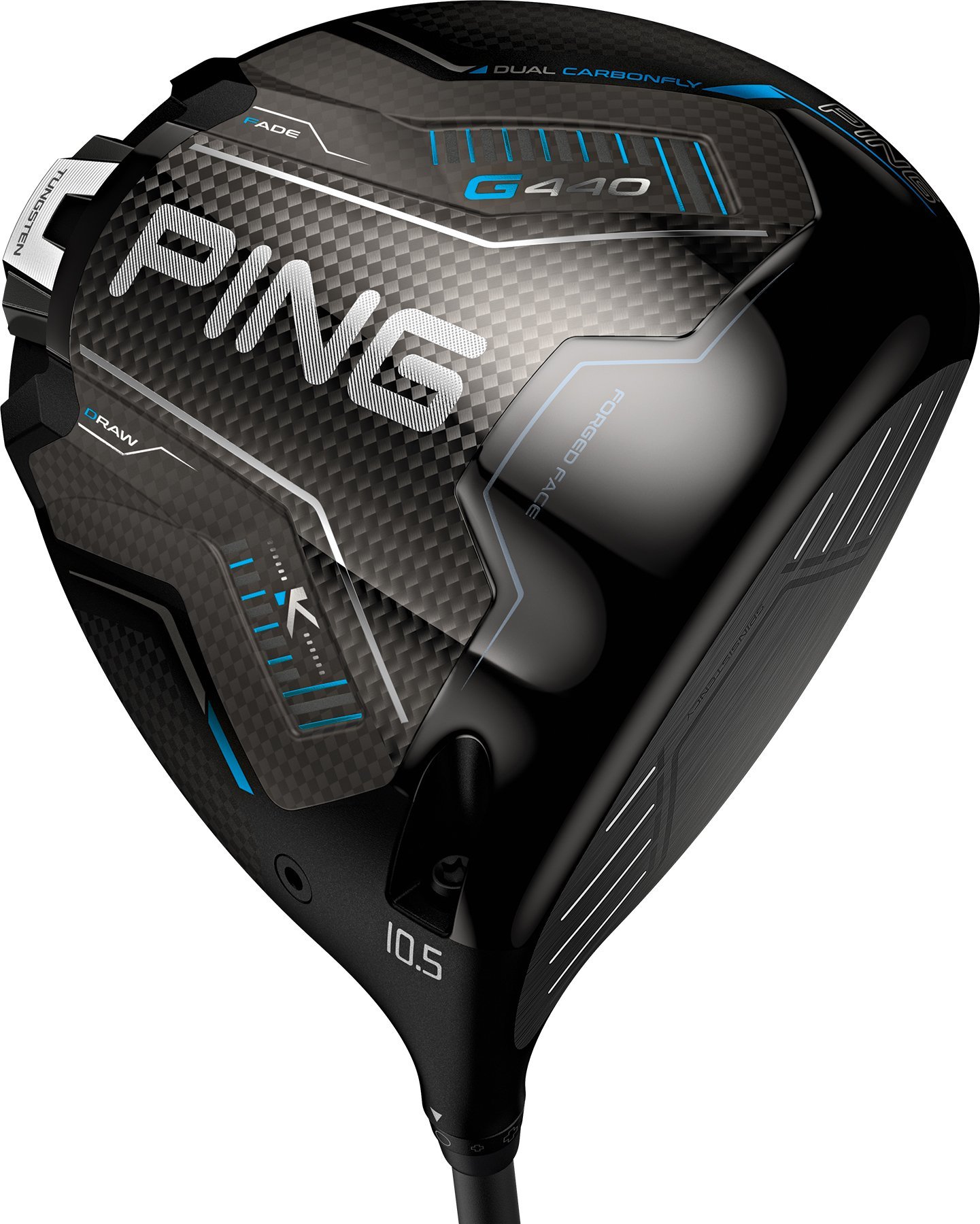
Record 10,300+ MOI. 32g adjustable back weight. Near-universal praise. The most forgiving driver ever made.
WHAT SOURCES LOVE
- +Record 10,300+ MOI
- +32g adjustable back weight
- +Near-universal reviewer praise
WHAT TO KNOW
- –Larger head profile
- –Not for shot-shapers
Bottom line: The most forgiving driver ever made. If forgiveness is your #1 priority, the search ends here.
Read full review →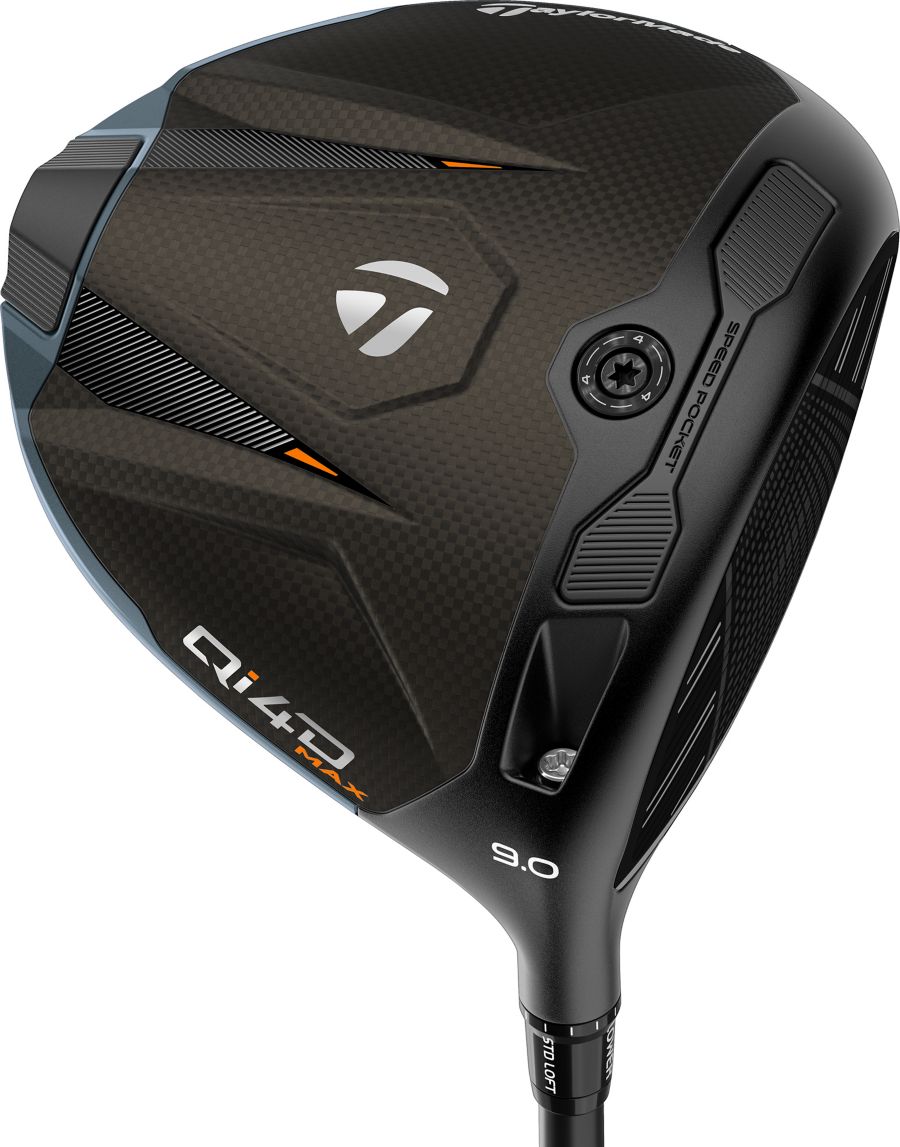
TaylorMade’s most forgiving 2026 driver. Titanium-free aluminum frame delivers exceptional face-wide consistency, though muted feel divides opinion.
WHAT SOURCES LOVE
- +Exceptional face-wide consistency
- +Latest 2026 technology
- +Gold medal reviews
WHAT TO KNOW
- –Muted feel divides opinion
- –$600 price point
Bottom line: If you want the latest technology with maximum forgiveness, this is TaylorMade’s answer.
Read full review →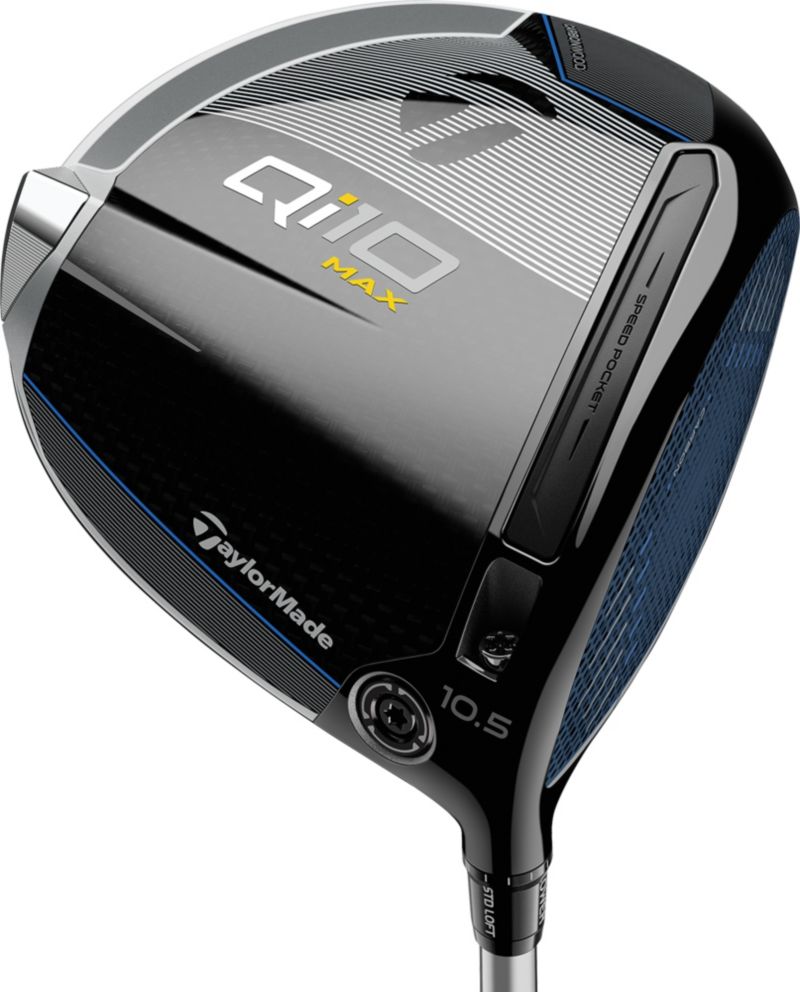
Forgiveness rated 9.8 — highest on the site. Trades 15-20 yards for the tightest dispersion in the Qi10 lineup. Now $400.
WHAT SOURCES LOVE
- +Forgiveness rated 9.8 (highest on site)
- +Now $400 (was $599)
- +Tightest dispersion in lineup
WHAT TO KNOW
- –Gives up 15-20 yards vs standard
- –Previous generation
Bottom line: The highest forgiveness rating on our entire site, now at $400. Best bang-for-buck forgiving driver.
Read full review →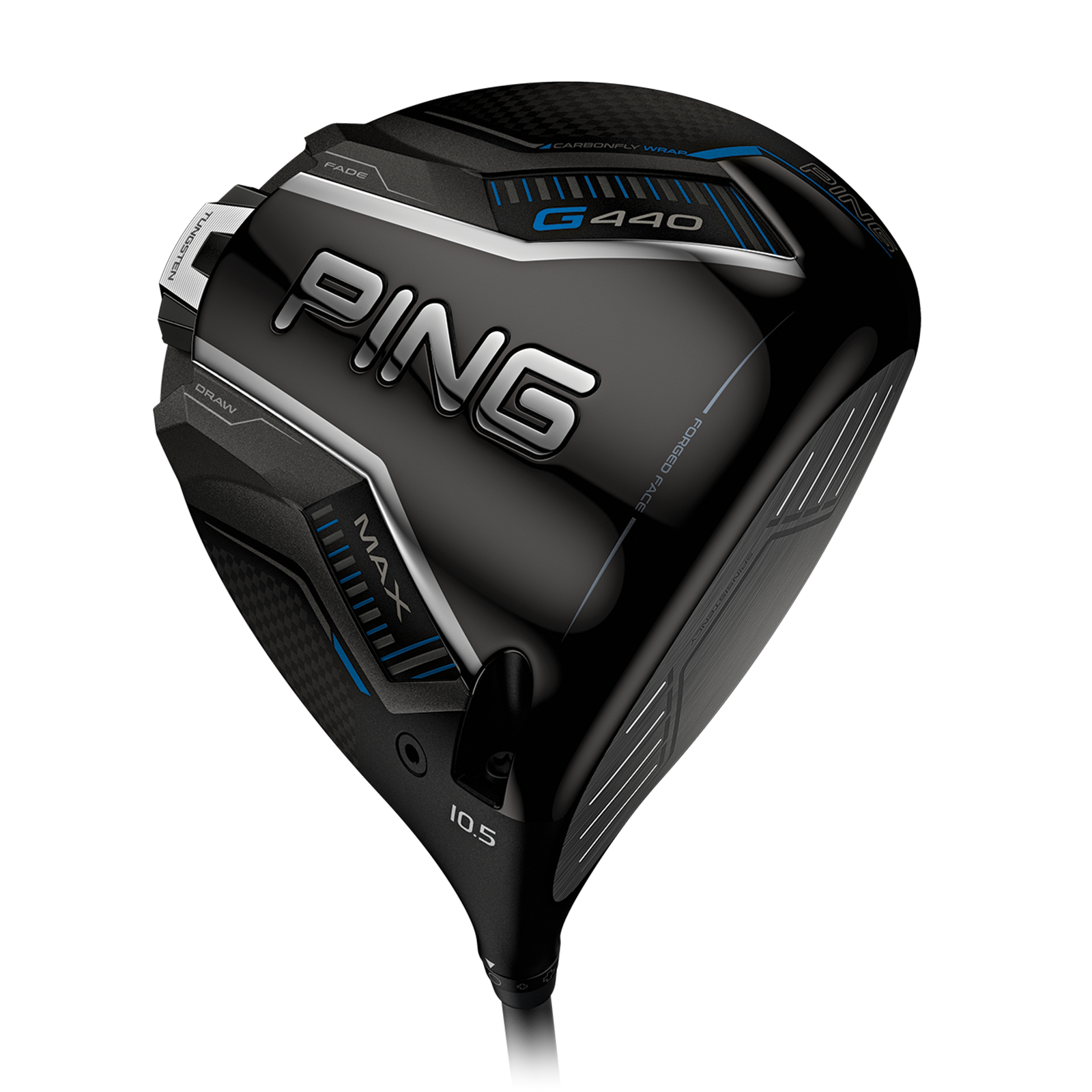
Most forgiving G440 variant. If you want Ping’s build quality without the K’s extreme MOI, this is the sweet spot.
WHAT SOURCES LOVE
- +Forgiveness rated 9.7
- +Ping’s legendary build quality
- +More versatile than the K
WHAT TO KNOW
- –$599 at full price
- –Same data disagreement as standard G440
Bottom line: Ping forgiveness without the K’s oversized head. The more balanced choice.
Read full review →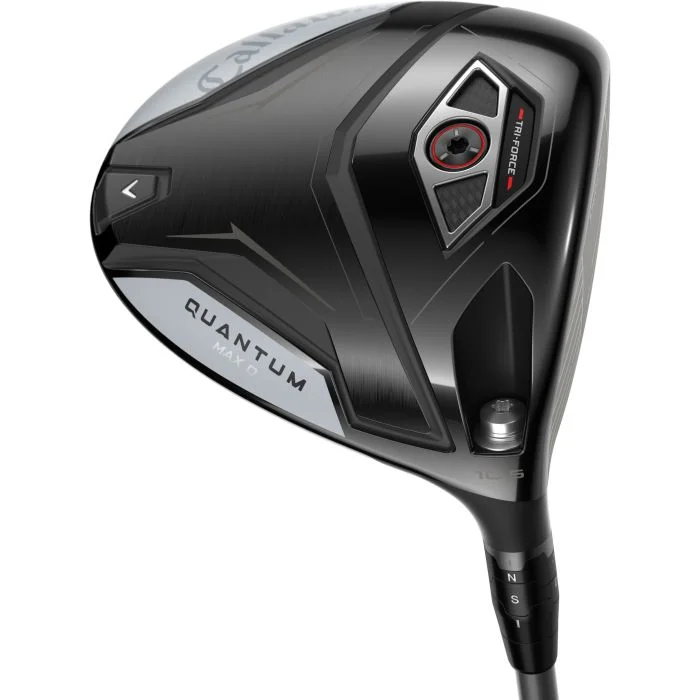
Callaway’s most forgiving, draw-biased 2026 driver. Built specifically for slicers and high handicappers.
WHAT SOURCES LOVE
- +Draw bias tames slices
- +2026 Quantum technology
- +Built for high handicappers
WHAT TO KNOW
- –Draw bias limits shot shaping
- –Moderate confidence (8 sources)
Bottom line: If you fight a slice, this driver was literally designed to fix it.
Read full review →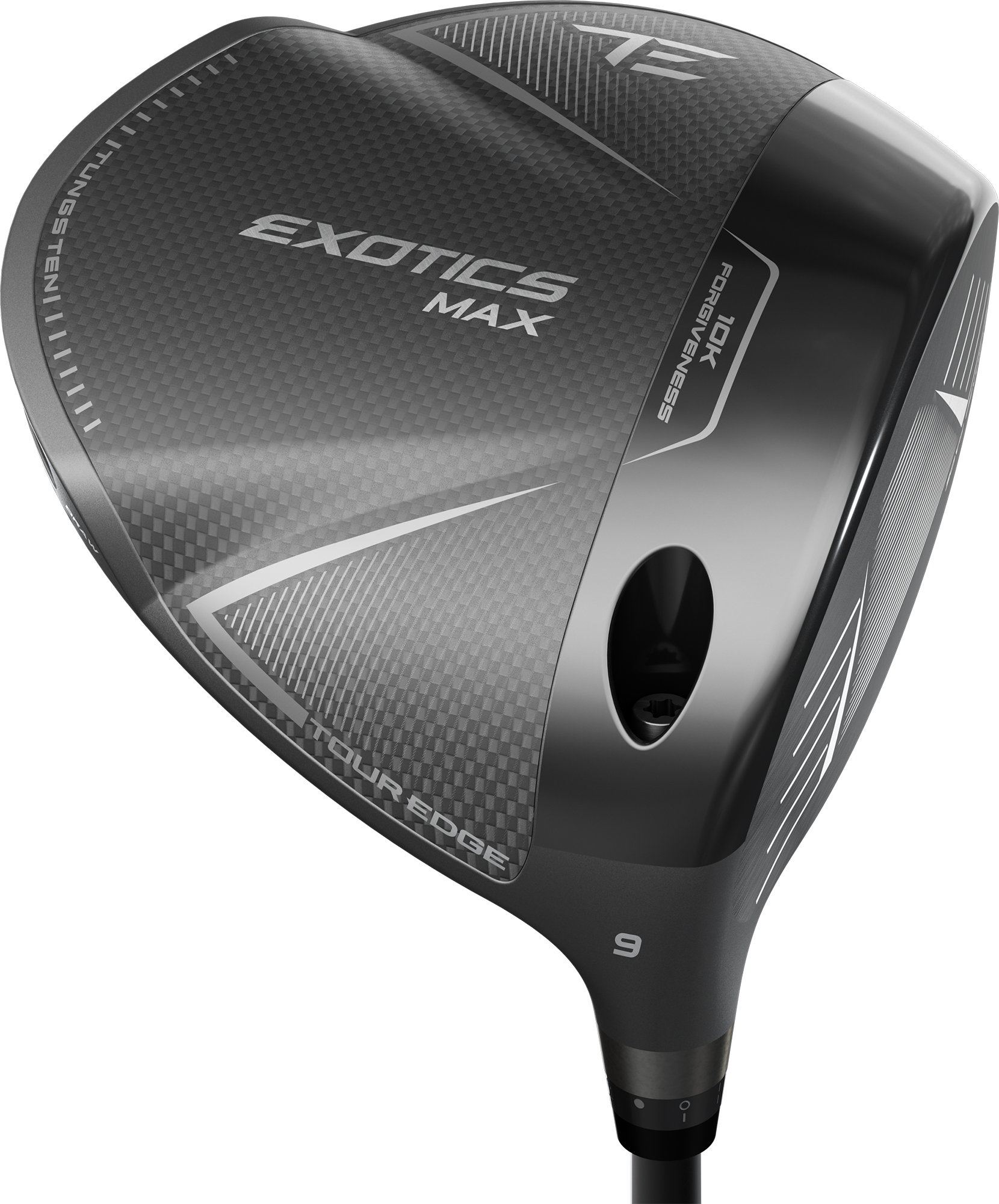
10K MOI game-improvement driver that reviewers compare to flagships costing $150+ more. Hot List 2026 at $499.
WHAT SOURCES LOVE
- +10K MOI at $499
- +Reviewers compare to flagships
- +Hot List 2026
WHAT TO KNOW
- –Less brand recognition
- –Fewer fitting options
Bottom line: Flagship-level forgiveness at $499. Don’t sleep on Tour Edge.
Read full review →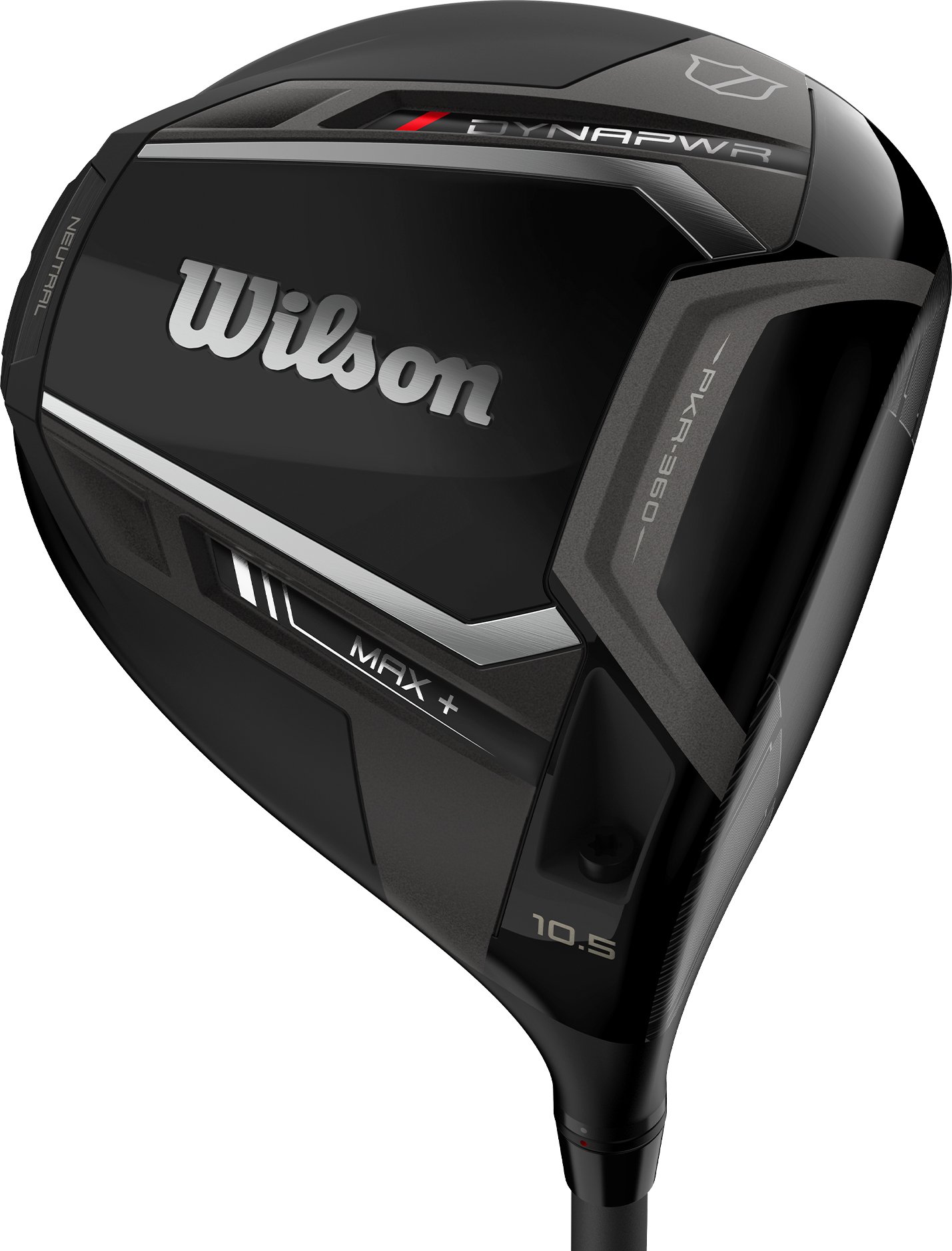
Wilson’s first 10K MOI driver. One of the most forgiving and stable on the market at $499.
WHAT SOURCES LOVE
- +10K MOI at $499
- +Most forgiving Wilson ever
- +Undercuts every major competitor
WHAT TO KNOW
- –Less brand cachet
- –Limited shaft options
Bottom line: Serious forgiveness at a fair price. Wilson is playing a different game at $499.
Read full review →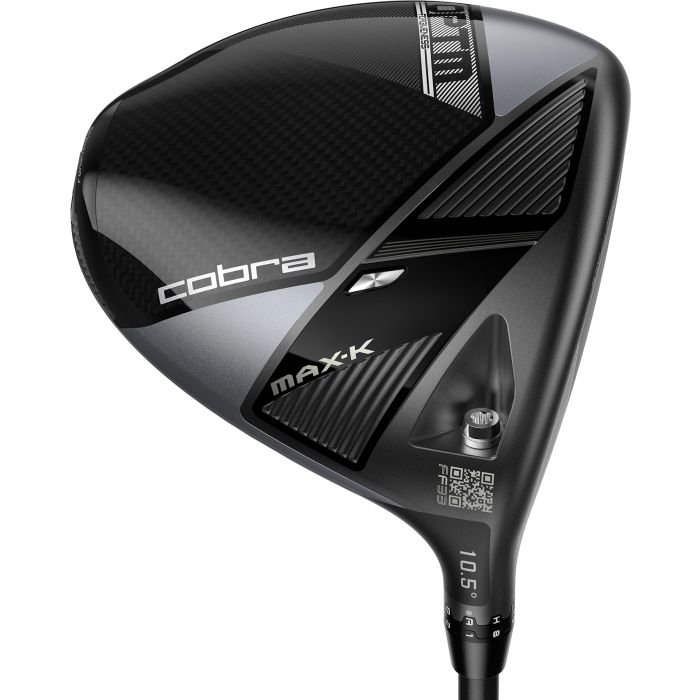
Most forgiving Cobra ever. Combined 13K three-axis MOI with POI-optimized shaping. Genuinely difficult to miss the fairway.
WHAT SOURCES LOVE
- +13K three-axis MOI
- +POI-optimized shaping
- +Nearly impossible to miss fairway
WHAT TO KNOW
- –Limited source coverage (6 reviews)
- –Lower overall score (8.1)
Bottom line: If you want the absolute maximum MOI number regardless of other factors, this is it.
Read full review →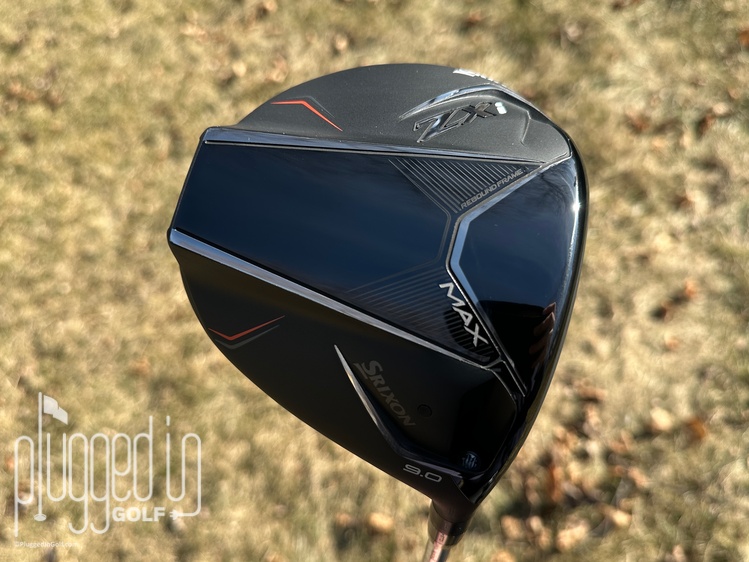
Srixon’s most forgiving driver ever. Highest MOI in the lineup with tight dispersion and easy launch.
WHAT SOURCES LOVE
- +Srixon’s most forgiving ever
- +Tight dispersion
- +Easy launch characteristics
WHAT TO KNOW
- –$549 sits between budget and premium
- –Hot List 2025 (not newest)
Bottom line: A strong forgiving option from Srixon at a reasonable price point.
Read full review →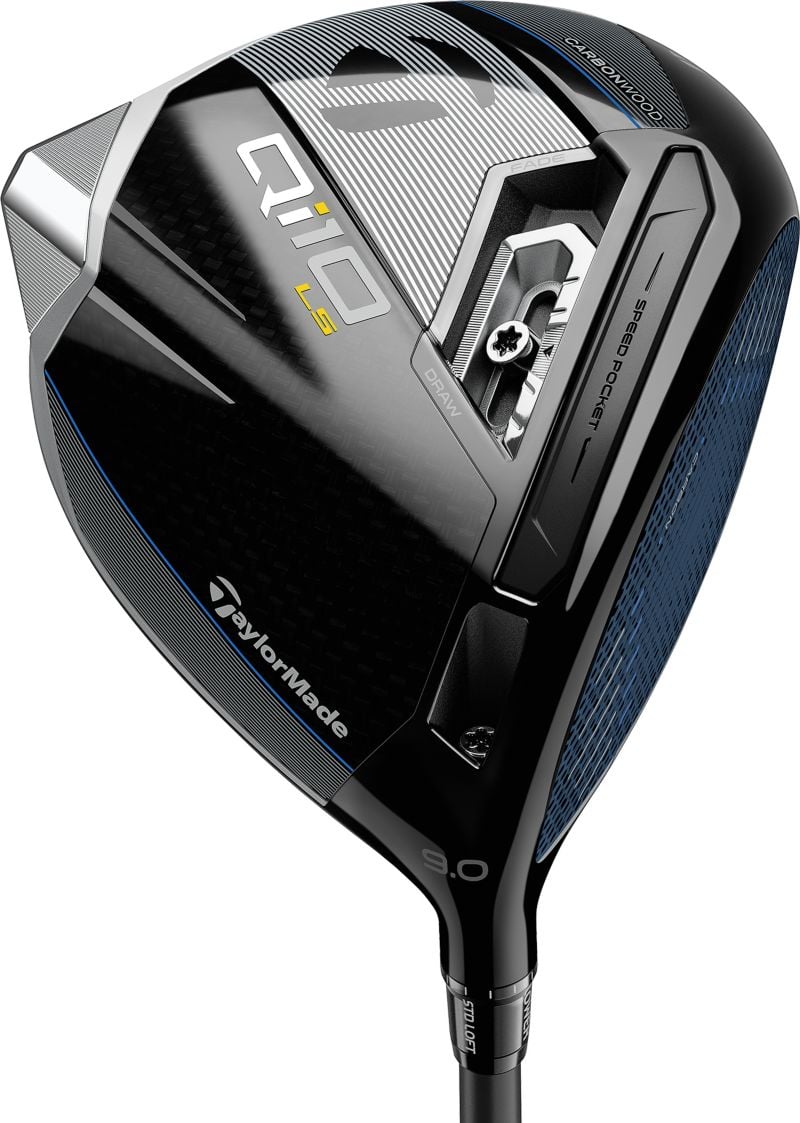
Most forgiving standard-profile TaylorMade. Biggest step forward in mishit performance since the SIM era. Now $400.
WHAT SOURCES LOVE
- +Best mishit performance of its era
- +Now $400 (was $599)
- +Confidence-inspiring at address
WHAT TO KNOW
- –Previous generation
- –Less forgiving than dedicated max options
Bottom line: A fantastic forgiving driver that does everything well, now at a significant discount.
Read full review →Honorable mentions
These drivers didn't make the top 10 but are worth considering depending on your needs:
Frequently asked questions
What MOI should I look for in a forgiving driver?
8,500+ is good, 9,000+ is excellent, 10,000+ is the most forgiving. The Ping G440 K (10,300+) and Cobra OPTM Max-K (13K) lead the field.
Will a forgiving driver fix my slice?
A high-MOI driver helps, but for a dedicated slice fix, the Callaway Quantum Max D (#5) has a built-in draw bias. Fitting matters more than the club head.
Are last-gen forgiving drivers still worth buying?
Absolutely. The TaylorMade Qi10 Max ($400) has the highest forgiveness rating on our site and costs $200 less than current models.
Do I sacrifice distance with a forgiving driver?
Slightly, but less than you'd think. The trade-off is typically 5-15 yards for dramatically tighter dispersion. Your average distance usually improves because you hit fewer offline shots.
Editorial independence:Reading the Break is not affiliated with any golf equipment manufacturer. Our scores are never influenced by affiliate relationships. Some links on this page are affiliate links — if you buy through them, we may earn a small commission at no extra cost to you. Full disclosure.