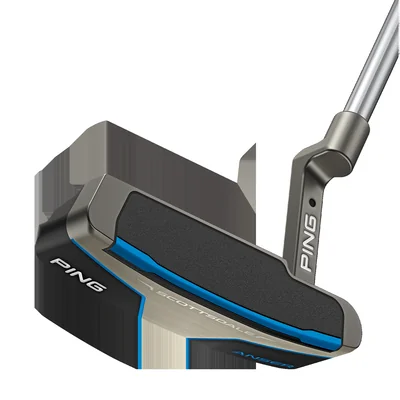
PING Scottsdale Anser Putter
A modern classic reborn — the iconic Anser shape gets a Pebax face insert and higher MOI for 2025, delivering elite mid-range putting performance at a price that undercuts the competition.
We may earn a commission if you buy through this link — it never affects our scores or the price you pay.
The consensus
The PING Scottsdale Anser is the 2025 reimagining of the most iconic putter shape in golf history. It earned a Golf Digest Hot List selection and ranked second among blade putters in MyGolfSpy's 2025 Most Wanted testing. Across 10 sources spanning expert reviews, robot data, forum sentiment, and retail feedback, the consensus is clear: this is a legitimate performance upgrade over previous PING Anser models, wrapped in a classic shape and priced well below the premium blade competition.
Where sources agree most strongly: the Pebax face insert and mid-range putting excellence. Golf Monthly called it one of the softest feeling putter faces they've tested. MyGolfSpy's robot testing ranked it second overall from mid-range among all blade putters. The lightweight Pebax material — borrowed from athletic shoe design — freed up discretionary weight that PING redistributed to achieve up to 11% higher MOI than the comparable PLD Milled Anser. That translates to measurably less face twist on mishits without changing the compact shape that low and mid handicappers prefer. At $269.99 with a premium SuperStroke grip included, it undercuts Titleist Phantom and Scotty Cameron alternatives by $130+.
Where the consensus fractures: long putt performance and feel preferences. MyGolfSpy's data showed the Scottsdale Anser falls behind on 30+ foot putts, where the soft insert may not give enough distance feedback for confident lag putting. Some forum users also expressed a preference for the crisper, more tactile feedback of milled steel faces. If you prioritize sharp impact sensation or frequently face long lag putts, the PLD Milled Anser or a higher-MOI mallet may serve you better. But for the majority of golfers whose rounds are decided on 8-to-15-foot putts, this is the data-backed blade choice for 2025.
A modern classic reborn — the iconic Anser shape gets a Pebax face insert and higher MOI for 2025, delivering elite mid-range putting performance at a price that undercuts the competition.
Category ratings
What the community loves
The standout finding from MyGolfSpy's robot testing: the Scottsdale Anser ranked second overall among blade putters for PuttView Handicap from mid-range. Multiple reviewers confirmed it shines on 8-to-15-foot putts, where the combination of Pebax insert feel and alignment aid helps golfers dial in speed and start line with confidence.
The new one-piece Pebax face insert is the defining upgrade over previous PING putters. Golf Monthly called it one of the softest feeling faces on any putter tested. The material — borrowed from athletic shoe design — is lightweight, temperature-stable, and produces a muted but satisfying impact sensation that reviewers consistently praised.
At $269.99, the Scottsdale Anser significantly undercuts competing premium blades like the Titleist Phantom ($400+) and Scotty Cameron ($400+). Golf Monthly specifically noted the price offers genuine value, especially with the included SuperStroke Tour 2.0 grip. This is a serious putter at a mid-range price point.
The lightweight Pebax insert freed up discretionary weight that PING redistributed to the heel and toe, achieving up to 11% higher MOI than the similarly shaped PLD Milled Anser. This translates to noticeably less face twisting on off-center strikes — a tangible forgiveness upgrade for a blade putter.
PING's Anser is one of the most iconic putter shapes in golf history. The 2025 Scottsdale version preserves the classic heel-toe weighted blade silhouette while adding the contrasting face applique and single alignment line in the back cavity. Multiple sources praised how PING blended old and new without losing the original's character.
What to watch out for
MyGolfSpy's testing data showed the Scottsdale Anser misses the mark on long putt performance. While it excels from mid-range, golfers who frequently face 30+ foot lag putts may find distance control less intuitive compared to higher-MOI mallet options or competing blades optimized for long range.
The Pebax insert produces a distinctly soft, muted feel that not all golfers will prefer. Players accustomed to the crisp, clicky feedback of milled steel faces may find the Scottsdale Anser lacks the tactile sharpness they rely on for distance feedback, particularly on longer putts.
The Scottsdale line offers fewer customization options than PING's premium PLD Milled putters. Golfers who want specific finish options, custom sole weights, or alternative head shapes within the same technology may find the Scottsdale range more constrained.
Some blade purists on GolfWRX expressed a preference for the raw milled steel feel of the PLD line over the insert face. The contrasting face applique also changes the address aesthetic — the visual break between insert and surround is noticeable and not to everyone's taste.
Is it right for your game?
PING's Pebax insert in the Scottsdale Anser is consistently praised as one of the softest, most refined blade feels at this price point. The community debate centers on whether the Scottsdale Anser delivers enough at $270 compared to Scotty Cameron blades at $449. Consensus: the performance gap between them is smaller than the price gap, making the Scottsdale Anser one of the strongest value plays in the blade category.
What real people are saying
16 quotes from across the web, grouped by 7 themes. Click a theme to read the individual quotes.
Specifications
Available shafts (no upcharge)
Premium shafts available at additional cost: Graphite Design Tour AD VF, Tour AD UB, Tour AD DI
All sources analyzed
This review synthesizes opinions from 10 independent sources. Every claim on this page can be traced back to its original source. No manufacturer relationship or compensation.
The consensus score is built in four layers: raw source collection, normalization to a 0-10 scale, credibility-weighted combination, and quality adjustments.
Expert reviews (35% weight) are scored from language intensity and any numerical ratings provided. Data-driven testing (25%) converts product rank within the test group to a percentile score. Forum posts (30%) are AI-classified by sentiment, weighted by substantiveness. Retail reviews (10%) convert 5-star ratings with a 0.75x credibility discount to correct for systematic inflation.
Three quality adjustments are then applied: a source diversity bonus (up to +0.3 for coverage across all source types), a conflict penalty (up to -0.3 when sources strongly disagree), and recency weighting (recent reviews weighted higher than older ones).